
Hobbies for Couples: 35 Fun Ideas to Enjoy Together
Explore 35 affordable, creative, active, and at-home hobbies for couples, with practical tips for choosing one that fits both partners.

Shared hobbies can turn an ordinary week into something to look forward to. From quiet projects at home to inexpensive adventures outside, these 35 ideas help couples find an activity they both actually enjoy.
Introduction
It is easy to fall into the familiar evening routine: dinner, a show, a little scrolling, and suddenly bedtime. There is nothing wrong with a peaceful night in, but couples sometimes want to do something together that isn’t another restaurant reservation or an expensive weekend away. A shared hobby offers a different kind of date: one you can return to, improve at, and make your own.
The best option doesn’t have to be romantic in a movie-scene way. It might be baking terrible first attempts at sourdough, identifying birds on a morning walk, or laughing through a dance lesson. What matters is that both people want to participate. A hobby becomes a chore when one partner is always the teacher, planner, or reluctant audience.
Quick Answer: Good hobbies for couples include cooking projects, hiking, gardening, pottery, photography walks, dancing, board games, volunteering, learning a language, and home improvement. Start with a shared interest that fits your budget and schedule, then try it twice before deciding. Choose an activity where both partners can contribute rather than one person watching the other.
ON THIS PAGE
Introduction • How to Pick a Hobby You’ll Both Look Forward To
Eight Creative Hobbies for Couples at Home • Seven Food and Drink Hobbies for Two
Seven Outdoor Hobbies That Feel Like Mini Adventures • Seven Active and Social Hobbies
Six Low-Cost Weekend Traditions • Turn an Idea Into a Habit Without Making It a Chore
Frequently Asked Questions • Conclusion
How to Pick a Hobby You’ll Both Look Forward To
Make two short lists independently: activities you already enjoy and activities you are curious about trying. Circle anything that appears on both lists. If there is no overlap, choose a beginner-friendly option neither of you has mastered. A shared learning curve can be more fun than turning every session into a lesson from the more experienced partner.
Agree on three practical limits before signing up: how much you want to spend, how often you can meet, and whether the hobby should feel relaxing or energetic. A Tuesday 20-minute drawing challenge is a better choice than a Saturday class that regularly collides with family obligations.
| Mood or goal | Good hobbies | Starter cost idea |
|---|---|---|
| Unwind at home | Puzzles, reading together, sketching | Usually low |
| Learn a skill | Cooking, pottery, dance, language | Free to paid classes |
| Spend time outdoors | Hiking, photography, birdwatching | Often low |
| Make something tangible | Gardening, woodworking kits, DIY decor | Depends on supplies |
| Meet other people | Trivia, choir, volunteering, running club | Often low |
Eight Creative Hobbies for Couples at Home
1. Paint the same scene. Set a timer for 30 minutes and paint the view outside your window. Compare the very different results afterward. You don’t need matching skills or expensive paints; a small watercolor kit is enough.
2. Make pottery or air-dry clay objects. Start with pinch bowls or small planters before booking a wheel-throwing class. Each person can design one object for the other, which makes the result more meaningful than a perfect store-bought piece.
3. Create a themed photo album. Choose a theme such as “our neighborhood in four seasons.” Take new pictures, select favorites, and write one sentence explaining each moment. A shared digital folder works if printing isn’t appealing.
4. Try simple woodworking kits. Assemble a small shelf, birdhouse, or picture frame using clear instructions. Share tasks by preference instead of forcing equal time on every step. New power-tool users should take a safety class first.
5. Start a two-person book club. Read the same short novel or listen to the same audiobook. Swap three questions over coffee every weekend. If your tastes differ, alternate who chooses the next title.
6. Learn basic calligraphy. Practice place cards, short quotes, or birthday notes with inexpensive pens. Watch one tutorial and challenge each other to make a card for a friend.
7. Design a seasonal home display. Arrange objects you already own around a color, memory, or time of year. Thrifted frames and a few plant cuttings can be enough. The collaboration is the point, not buying new decor.
8. Write a tiny newsletter for family or friends. Collect a favorite recipe, weekend photo, and funny observation. Send one edition a month. It is a light creative project that can grow into a family tradition.
Seven Food and Drink Hobbies for Two
9. Cook through one cookbook. Select five achievable recipes and track what you would change next time. Swap responsibility for choosing the meal and doing the prep work.
10. Bake bread together. One person handles weighing ingredients while the other keeps notes about dough texture and rise times. Start with no-knead bread before investing in specialized equipment.
11. Become coffee-tasting beginners. Sample two brewing methods or beans side by side, recording aroma, strength, and taste. You can do this with ordinary supermarket beans and your existing coffee maker.
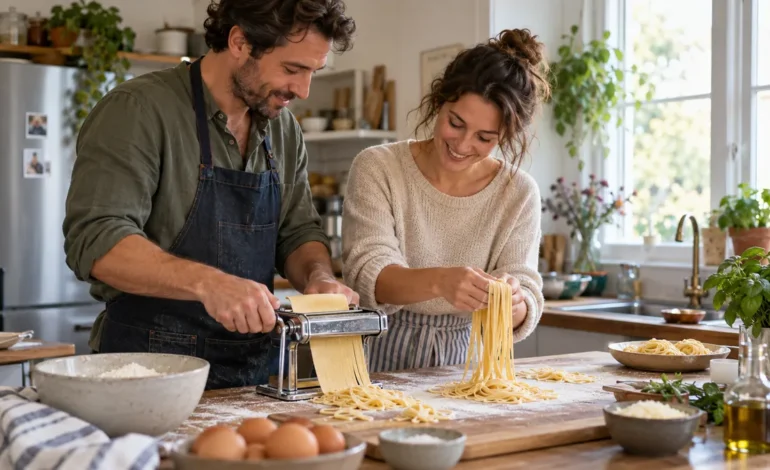
12. Explore homemade pasta. Begin with hand-cut noodles. Divide rolling, cutting, and sauce duties. A pasta machine can wait until you know you enjoy making it.
13. Grow and cook with herbs. Plant basil, mint, or thyme in containers and create one recipe around each harvest. It links a small gardening ritual to dinner.
14. Host a budget-friendly supper club. Invite one other couple, agree on a simple theme, and rotate hosts. Avoid turning the evening into a competition over elaborate menus.
15. Make a recipe archive. Collect dishes from relatives, write down where they came from, and test them together. The result becomes a personal collection of family stories as well as meals.
Seven Outdoor Hobbies That Feel Like Mini Adventures

16. Explore a new walking route monthly. Choose a park, waterfront, or historic street and give yourselves an hour to notice details. A recurring walk is easier to maintain than planning a major trip every weekend.
17. Try beginner birdwatching. See how many species you can identify in one local park across a season. Keep a joint list rather than competing on who spots the most.
18. Go on photography walks. Each person chooses a theme—textures, doorways, reflections—then compare a favorite three images afterward. A phone is enough.
19. Grow a small garden. Divide responsibilities by what each of you likes: planning, planting, watering, or cooking. Start with a couple of containers to test the habit before building raised beds.
20. Take easy bike rides. Agree on route length and pace before leaving. Choose low-traffic paths and stop whenever something interesting catches your attention.
21. Practice outdoor sketching. Bring small notebooks to a park and draw the same tree or building. The drawings often become a record of places you have enjoyed together.
22. Join a community cleanup. Park and trail volunteer days create a practical shared purpose and introduce you to neighbors. Look for organized sessions that provide instructions and suitable equipment.
Seven Active and Social Hobbies
23. Take beginner dance classes. Salsa, swing, ballroom, or another style can offer a fun challenge. Look for instruction that rotates partners or teaches both roles if either person prefers flexibility.
24. Join a casual running or walking club. Pick a beginner pace and schedule you both like. If your speeds differ, agree to reconnect after the session rather than expecting one person to hold back every time.
25. Attend trivia nights. Set a spending limit and invite friends occasionally. Even without winning, the rotating topics create stories to talk about afterward.
26. Volunteer together. Choose a food pantry, community garden, museum, or neighborhood event. Discuss your interests and availability with the organizer so both partners have meaningful roles.
27. Play board games. Cooperative games work well if competitive play leads to frustration; strategy games suit partners who enjoy a challenge. Keep the first session short and learn rules together.
28. Learn a new language. Practice five phrases at dinner and plan one weekly conversation. It is more enjoyable when both people are free to make mistakes.
29. Join a community choir or music group. Shared rehearsals give you a recurring appointment and a common project. Many local groups welcome beginners, although audition requirements vary.
Six Low-Cost Weekend Traditions
30. Try a public-library event. Lectures, film discussions, craft sessions, and author talks change throughout the year. Sign up for a monthly calendar instead of searching for entertainment at the last minute.
31. Build a neighborhood scavenger hunt. Make a list of ten features—murals, old signs, unusual plants—and find them during a walk. Change the list every month.
32. Visit a farmers market with a cooking challenge. Set a modest budget and buy one unfamiliar vegetable or spice to use in dinner. The shopping trip becomes part of the hobby.
33. Do a “repair cafe” evening. Mend a loose button, clean up an old frame, or organize a drawer. Pick satisfying, safe tasks that can be finished in under an hour.
34. Watch a movie series thoughtfully. Choose a director, genre, or decade and talk about one scene afterward. Rotate selections so the hobby reflects both tastes.
35. Keep a shared gratitude or memory jar. Write a brief note after enjoyable days and open the notes every few months. It is particularly good for couples who prefer quiet activities over scheduled outings.
Turn an Idea Into a Habit Without Making It a Chore
The Gottman Institute describes small, repeated rituals as one way couples can create shared meaning. A hobby can work similarly when it is consistent and enjoyable rather than a requirement. You could protect 45 minutes on Thursdays for pottery, Sunday morning for walks, or one night a month for new recipes.
If a hobby stops being fun, change the format before quitting entirely. Trade a long bike ride for an easy route, an elaborate dinner for a one-pot recipe, or a competitive board game for a cooperative one. Revisit the plan monthly: both people should be able to say what they enjoy and what feels stressful.
Not every passion has to be shared. Individual hobbies and time apart can coexist with meaningful routines together. The goal is to add a reliable invitation to connect, not to erase personal interests.
Frequently Asked Questions
What are good hobbies for couples at home?
Cooking challenges, pottery, puzzles, board games, photography projects, joint reading, and craft nights can be done with limited space and a modest budget.
What hobby can two beginners learn together?
Dancing, drawing, language learning, beginner gardening, and simple baking are accessible options. Choose one where neither person needs to act as an expert.
How often should couples do a shared hobby?
There is no required frequency. A short weekly ritual or monthly class is enough to build anticipation if it suits both schedules and remains enjoyable.
Are inexpensive date ideas the same as hobbies?
Some overlap, but a hobby is something you return to and develop over time. A single picnic may be a date; regularly exploring new picnic spots and photographing them could become a hobby.
Conclusion
The most lasting hobbies for couples are rarely the flashiest. They are the activities you can actually fit into life, improve at together, and laugh about when things go wrong. Pick one idea, agree on an easy first session, and give it a second try before judging it. Shared interests grow through repetition, not perfect planning.