
Best Hobbies for Retirees to Stay Active: 25 Enjoyable Ideas
Find 25 enjoyable retirement hobbies, from walking groups and gardening to art, volunteering, music, and games—plus a practical way to choose your next pastime.
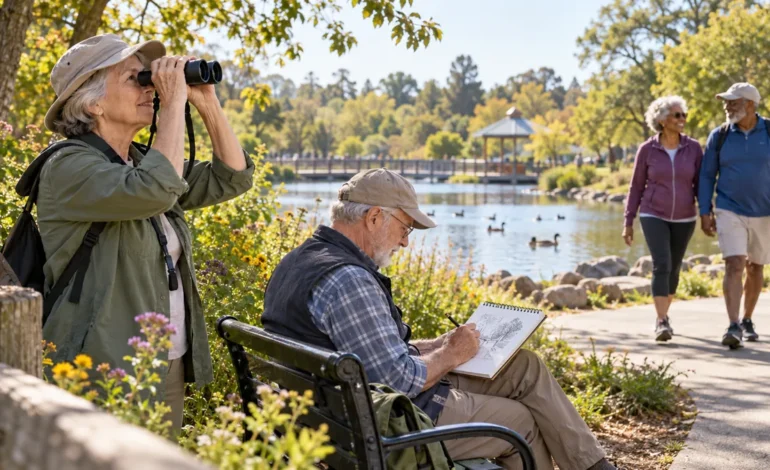

Retirement can create space for new friendships, small adventures, and skills you never had time to explore. These 25 hobbies offer realistic ways to make that space feel rewarding—without turning every day into a packed schedule.
Introduction
The first Monday without a commute might feel wonderful. The fifth can feel oddly quiet. Retirement removes the structure that once came automatically from work, but it also offers something valuable: permission to choose what your days are for. The best hobby isn’t necessarily the most ambitious one. It is the activity you want to return to, whether that means tending tomatoes, learning guitar chords, or meeting neighbors for a morning walk.
A good retirement routine usually has room for movement, curiosity, and people. These don’t have to happen in the same hobby, and they don’t have to cost much. In fact, the most sustainable pastime may be something you can begin with supplies already at home.
Quick Answer: The best hobbies for retirees to stay active include walking groups, gardening, water exercise, dancing, birdwatching, photography, volunteering, book clubs, woodworking, and learning an instrument. Choose one activity that gets you moving, one that keeps you curious, and one that connects you with other people. Start with a free or low-cost trial before buying equipment.
ON THIS PAGE
Introduction • How to Choose a Retirement Hobby You Will Actually Keep
Five Outdoor Hobbies That Make It Easier to Move • Five Creative Hobbies for Curious Hands
Five Social Hobbies That Build a New Weekly Rhythm • Five Learning Hobbies That Keep Curiosity Alive
Five Low-Cost Hobbies for Staying Engaged at Home • How to Make Hobbies for Retired Men and Women More Accessible
Build a Seven-Day Hobby Trial Before Spending Money • Frequently Asked Questions
Conclusion • Sources and Further Reading
How to Choose a Retirement Hobby You Will Actually Keep
Start with a simple question: what part of your former routine do you miss? If it is conversation, try a club or volunteer role. If it is solving problems, try puzzles, repairs, or a language class. If it is time outdoors, gardening or birdwatching may feel natural. You are not required to reinvent your personality simply because your calendar changed.
Consider your energy, available space, transportation, and preferred social setting. A hobby that requires a long drive or expensive monthly supplies may become an occasional treat rather than a weekly practice. And an activity labeled “active” does not need to be intense: a leisurely community garden session can combine movement, creativity, and conversation.
| What you want | Good starting points | Typical starter commitment |
|---|---|---|
| Gentle movement | Walking, gardening, tai chi | 15–30 minutes |
| Creative focus | Sketching, quilting, photography | One short project |
| More people in your week | Book club, choir, volunteering | One regular meetup |
| Mental challenge | Chess, language lessons, music | 10–20 minutes of practice |
| Outdoor time | Birdwatching, nature walks, cycling | One local outing |
Five Outdoor Hobbies That Make It Easier to Move
1. Join a neighborhood walking group. A regular route removes the pressure of planning exercise. Look for a group with clearly posted pace and distance, or invite one neighbor to take the same short loop twice a week. Comfortable shoes and an accessible route matter more than speed.
2. Grow a small vegetable or herb garden. Start with two containers rather than a complete backyard redesign. Basil, lettuce, or herbs provide frequent small tasks, while raised planters can reduce bending. Enjoyment comes from watching things change, not from producing perfect vegetables.
3. Try birdwatching. A window feeder, park bench, or familiar walking route is enough to begin. Use a notebook to record the date, location, and bird behavior. Learning just five local species can turn an ordinary morning into a little discovery project.
4. Explore gentle cycling. A flat greenway or quiet paved trail offers a change of scenery. If balance or traffic is a concern, look for supervised classes or consider a stationary bike. Begin with a route you can comfortably complete, not the distance your friends prefer.
5. Take a tai chi or movement class. Community centers often offer introductory sessions that emphasize controlled, adaptable movements. Observe a class first and ask the instructor about modifications. Choose an environment where you can stop or sit down whenever needed.
Five Creative Hobbies for Curious Hands
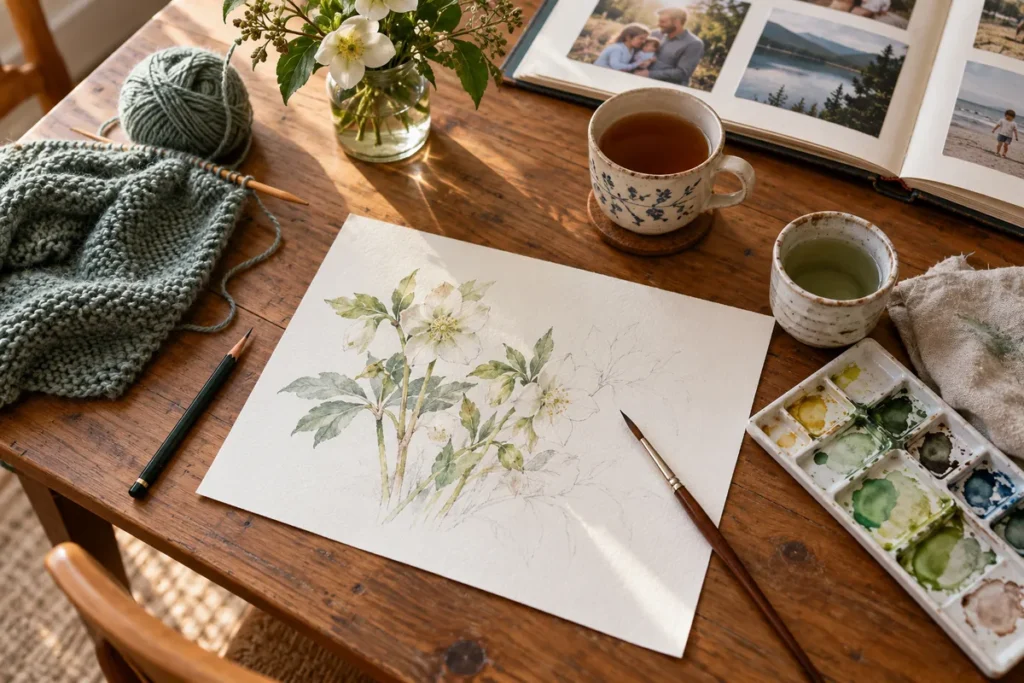
6. Learn watercolor painting. A small palette, one brush, and thick paper are plenty for learning color washes. Paint the same houseplant once a week; the repetition makes progress visible without demanding artistic perfection.
7. Practice photography. You don’t need a new camera. Photographing shadows, doors, markets, or seasonal changes with a phone can be its own project. Pick a weekly theme and keep your favorite five images instead of collecting hundreds.
8. Explore woodworking or simple repairs. Begin with low-risk projects such as sanding a small box, restoring a picture frame, or assembling a birdhouse kit. Use eye protection, follow tool instructions, and seek a community workshop before using unfamiliar power tools.
9. Try knitting, crocheting, or quilting. Repeated motions make these hobbies pleasantly absorbing, and the results can be shared. Start with a square, scarf, or small patch. A local yarn shop or library group can help troubleshoot frustrating early steps.
10. Keep a nature journal. Combine rough sketches, weather notes, leaf shapes, and observations from the same outdoor spot. Artistic ability is optional. The goal is to notice more each time you visit, not to produce museum-ready pages.
Five Social Hobbies That Build a New Weekly Rhythm
11. Join a book club. A monthly discussion offers both a reason to read and a recurring appointment. If traditional novels aren’t your thing, try groups devoted to mysteries, history, poetry, or audiobooks.
12. Volunteer for a local cause. Libraries, museums, food programs, community gardens, and animal organizations often need reliable help. Choose a role with hours and physical demands you can realistically sustain. Two dependable hours can be more meaningful than one exhausting weekend.
13. Sing in a community choir. Many groups welcome enthusiastic beginners and provide recordings for practice. A regular rehearsal creates both a musical goal and a familiar circle of people, even if you have not sung since school.
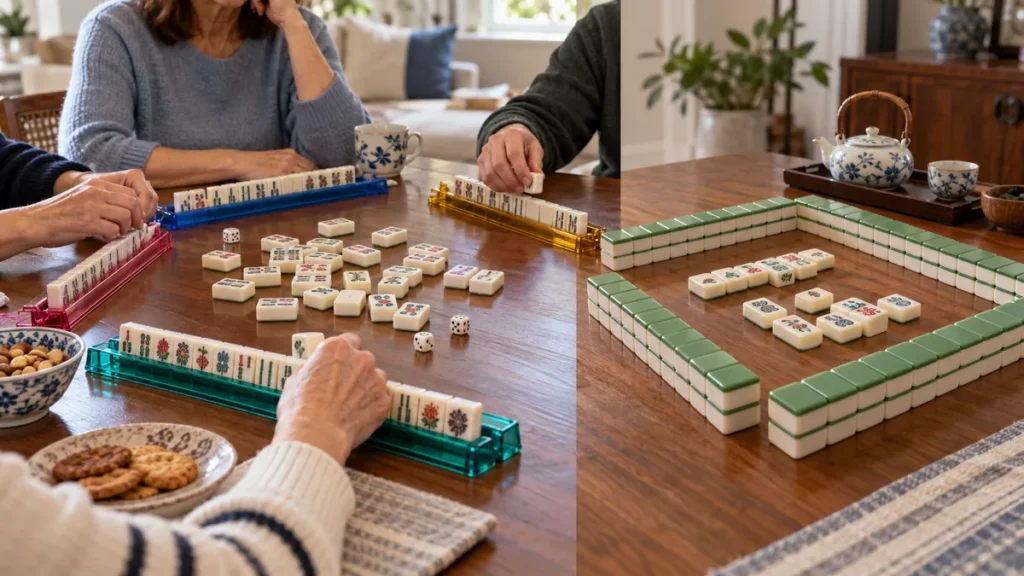
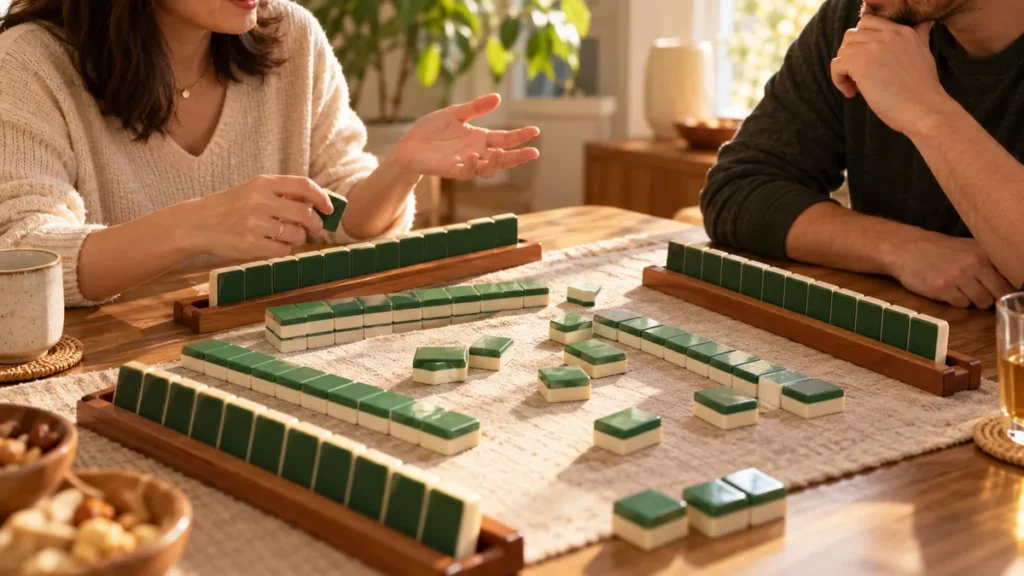
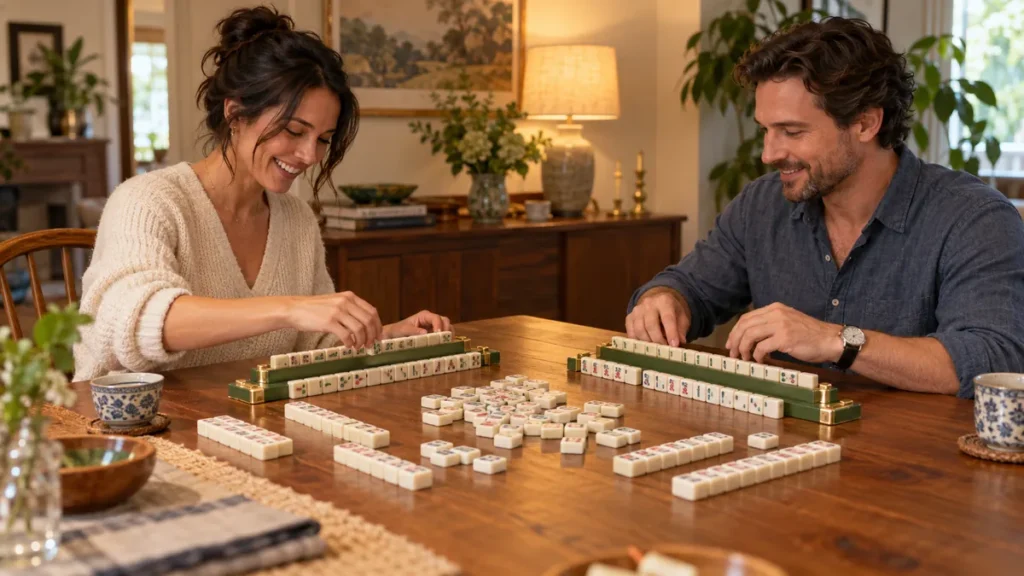
14. Play board games or mahjong. Games offer structured conversation, light competition, and a reason to meet again. Start with a beginner-friendly session rather than joining an established competitive table on day one. Rules differ across mahjong variations, so ask which one the group plays.
15. Attend local history talks and walking tours. Historical societies and libraries can introduce surprising stories about familiar streets. Keep a small notebook of places to revisit, and turn one event into a personal project of researching your neighborhood.
Five Learning Hobbies That Keep Curiosity Alive
16. Study a new language. Pick a realistic goal such as ordering a meal, speaking with relatives, or reading simple signs. Ten minutes of consistent practice and one weekly conversation session beat an abandoned stack of textbooks.
17. Learn a musical instrument. Keyboard, ukulele, and beginner guitar lessons can start with only a few chords or notes. Practice a favorite melody in short sessions. Renting or borrowing an instrument makes sense before committing to a purchase.
18. Explore genealogy. Interview relatives, label old photographs, and organize family stories before paying for subscriptions. Record where each story came from; memories can be valuable even when dates remain uncertain.
19. Practice chess or logic puzzles. Use one beginner lesson and a few puzzles each week rather than trying to master complex strategy immediately. If you like company, visit a local chess club where newcomers can find suitable opponents.
20. Take a community-college or library class. Look for low-cost sessions in art, computers, history, cooking, or writing. A short course gives you a clear starting point and an opportunity to meet others who share an interest.
Five Low-Cost Hobbies for Staying Engaged at Home
21. Cook one unfamiliar recipe each week. Choose a cuisine or ingredient theme, keep a simple recipe binder, and invite a friend to taste the results. The challenge is learning a skill, not buying specialized equipment.
22. Write short family stories. Describe a childhood street, a memorable first job, or how an important friendship began. One page at a time becomes a personal archive. Voice recording works just as well if typing is inconvenient.
23. Make simple crafts. Collage, paper folding, card making, and pressed-flower projects use modest materials. Reuse packaging and magazines before purchasing a cupboard full of supplies.
24. Try indoor plant care. Begin with one plant suited to the light you actually have. Track watering and growth instead of following a rigid online schedule. It is a calming small responsibility with visible results.
25. Build a themed listening or film club. Choose one director, decade, composer, or documentary theme for each month. Exchange short notes with friends or meet virtually. A hobby doesn’t have to involve being physically active to keep your week interesting.
How to Make Hobbies for Retired Men and Women More Accessible
Rather than dividing every activity by gender, consider the interests, skills, and habits a person already enjoys. Someone searching for the best hobbies for retired men may be drawn to furniture restoration, fishing, model building, or amateur radio—but photography, quilting, volunteering, or music can be just as rewarding. A good recommendation follows the person, not a stereotype.
Access matters. For limited mobility, choose seated gardening, tabletop photography, accessible crafts, virtual clubs, or short walking loops with resting spots. For a tight budget, ask about library maker spaces, community-center scholarships, equipment lending, and free trial sessions. When a physical activity is new or your health circumstances have changed, start gently and seek individual guidance if needed.
The National Institute on Aging encourages older adults to participate in meaningful social, creative, and community activities. The CDC also recommends that adults 65 and older include aerobic, strengthening, and balance activities in their week, adapted to their abilities. A hobby can support that bigger picture, but enjoyment is what makes people want to return.
Build a Seven-Day Hobby Trial Before Spending Money
Pick three possibilities and give each one a low-pressure trial. On Tuesday, walk with a friend. On Thursday, attend a library event or beginner class. On Saturday, try a creative project at home. After each activity, rate three things from one to five: enjoyment, effort required, and likelihood of doing it again. This prevents you from mistaking an impressive idea for a hobby that fits your real life.
Avoid purchasing expensive supplies during the first week. Borrow, rent, attend an introductory session, or buy a small starter kit. Once something earns a place in your routine, invest in tools that make participation easier.
Frequently Asked Questions
What are the best hobbies for retirees who want to stay physically active?
Walking groups, water exercise, gardening, tai chi, easy cycling, and dancing are adaptable starting points. Choose a suitable pace and activity environment based on your own abilities and preferences.
What are good inexpensive hobbies after retirement?
Library book clubs, birdwatching, journaling, cooking projects, volunteer work, phone photography, and local walking groups can cost little or nothing to begin.
How many hobbies should a retired person have?
There is no ideal number. One satisfying weekly hobby is better than five abandoned ones. A mix of movement, learning, and social connection can offer variety without overcrowding the calendar.
Can hobbies help make retirement feel less lonely?
Group activities can create regular opportunities to connect. If social interaction is your main goal, prioritize a recurring class, club, or volunteer shift rather than an activity done entirely alone.
Conclusion
The best hobbies for retirees to stay active are the ones that fit everyday life, invite curiosity, and feel worth repeating. Begin with a small experiment: one new outing, one creative project, or one conversation with a local group. Retirement does not need a perfect schedule. It needs a few good reasons to look forward to next week.