




Climate Week 2026 Puts AI’s Energy Footprint in the Spotlight
Climate Week 2026 highlighted the tension between AI’s potential for climate solutions and the rising energy demand of data centers and advanced computing.


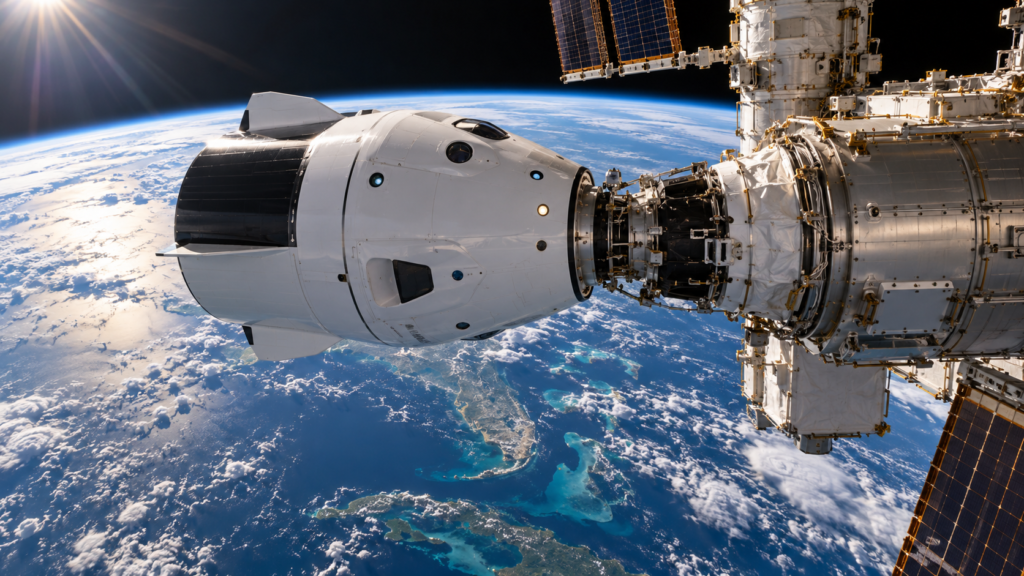
Featured image is illustrative.
Artificial intelligence is now part of the climate conversation in two very different ways. Supporters argue that AI can optimize grids, improve weather forecasting, accelerate materials research, and help industries use resources more efficiently. Critics point to the electricity, water, and infrastructure required to train and operate increasingly powerful systems.
At Climate Week 2026 in New York, that tension became a major theme. The discussion reflected a broader reality: AI may help solve climate problems while simultaneously increasing demand on the systems responsible for generating and delivering energy.
Why Data Centers Matter
Modern AI depends on data centers packed with specialized computing hardware. These facilities require large amounts of electricity and generate heat that must be managed through cooling systems.
The challenge is not only total consumption. Location matters. A data center connected to a cleaner grid has a different emissions profile from one relying heavily on fossil-fuel generation. Local water availability, transmission capacity, and peak demand also shape the impact.
How AI Could Help the Climate Effort
AI systems can analyze complex datasets faster than traditional manual approaches. In energy, that may support demand forecasting, grid balancing, equipment maintenance, and renewable-energy integration.
In aviation, agriculture, manufacturing, and logistics, AI can also be used to identify routes or processes that reduce waste and emissions. The climate case for AI therefore depends partly on whether efficiency gains are large enough to outweigh the resources required to run the technology.
| What’s changing | Why it matters | What readers can do |
|---|---|---|
| AI computing raises data-center power and cooling demand. | Emissions and water impacts vary by grid and location. | Look for measured energy and resource disclosures alongside claimed benefits. |
The Renewable Energy Race
Climate Week discussions also emphasized the continued expansion of renewable energy. Solar, wind, storage, transmission, and other clean-energy infrastructure are growing, but global fossil-fuel use remains substantial.
AI adds urgency to that buildout because digital infrastructure is becoming a larger source of electricity demand. Tech companies, utilities, regulators, and communities are now negotiating how new data centers should be powered and where they should be built.
Transparency Will Matter More
One challenge is that public comparisons are difficult when companies disclose energy use in different ways. More consistent reporting on electricity consumption, water use, carbon intensity, and efficiency could make it easier to evaluate whether AI systems are becoming cleaner over time.
The same applies to claims that AI is reducing emissions elsewhere. Benefits need to be measured against the full cost of the computing used to achieve them.
The Bigger Question
The climate debate around AI is ultimately a question of scale. A useful model serving millions of people may justify significant infrastructure, but unchecked expansion without cleaner power could add pressure to already strained energy systems.
Climate Week 2026 showed that the conversation has moved beyond whether AI is “good” or “bad” for the environment. The more useful question is how to build and deploy it in ways that maximize benefits while reducing avoidable energy and resource costs.
Frequently Asked Questions
Why does AI use so much energy?
Advanced AI requires large amounts of computation in data centers, both for training models and serving user requests.
Can AI reduce emissions?
Potentially. It can improve forecasting, routing, grid operations, industrial efficiency, and research, but the net impact depends on how it is used and powered.
Are all data centers equally carbon intensive?
No. Their emissions depend heavily on the electricity mix, efficiency, location, cooling systems, and operating patterns.
What is the key issue to watch?
Whether growth in AI computing is matched by faster deployment of clean power, grid capacity, efficiency improvements, and transparent reporting.
Conclusion
The story around AI energy footprint is still developing. What is already clear is that the technology and infrastructure involved are moving from niche conversations into mainstream systems, making reliability, transparency, and public accountability increasingly important.
Sources
Climate Week NYC highlights; IEA analysis of energy and AI.
Disclaimer
The information provided on Pen Liberty is for educational and informational purposes only. It should not be treated as medical, legal, financial, or other professional advice. Readers should verify time-sensitive details and seek qualified guidance where appropriate.
