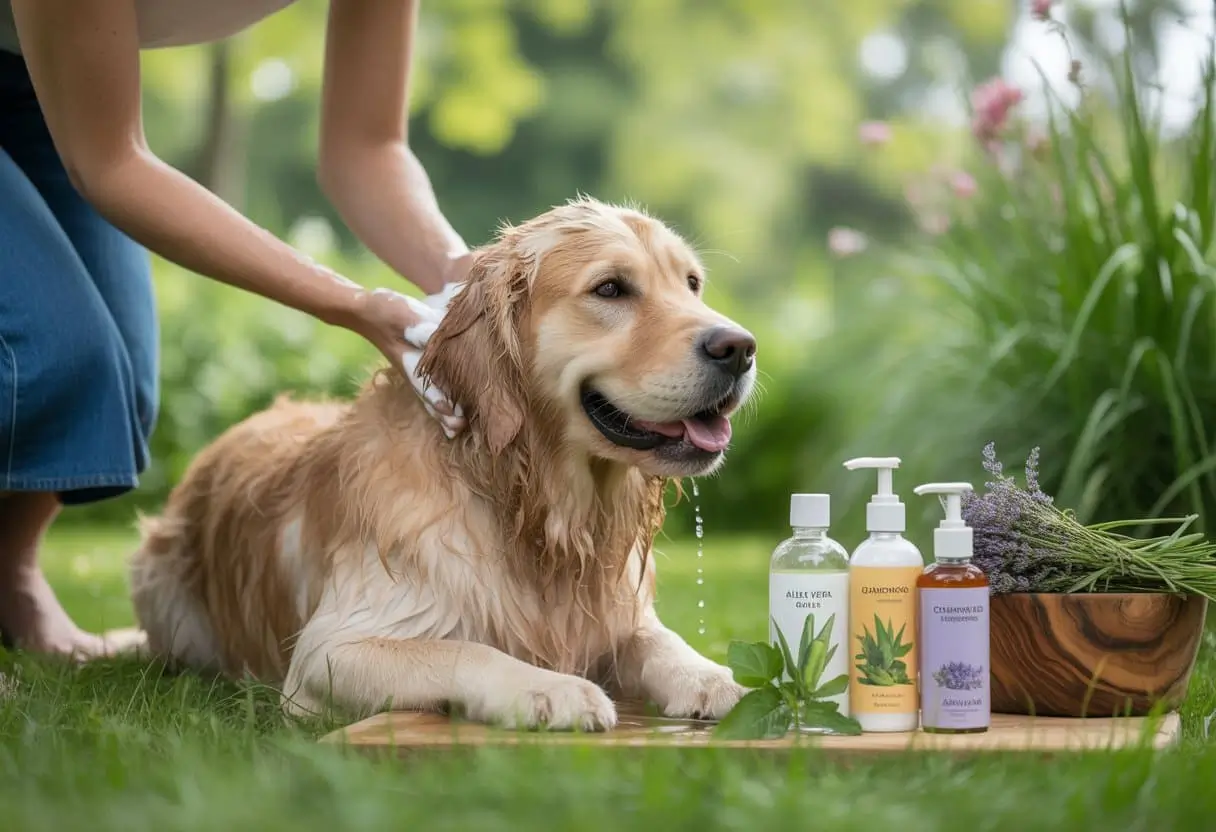




Proven Natural Home Remedies for Dog Constipation & Stomach Issues
Discover proven natural home remedies for dog constipation, stomach issues, and digestive discomfort. Learn safe treatments, causes, prevention tips, and when to seek veterinary care for your pet’s health.
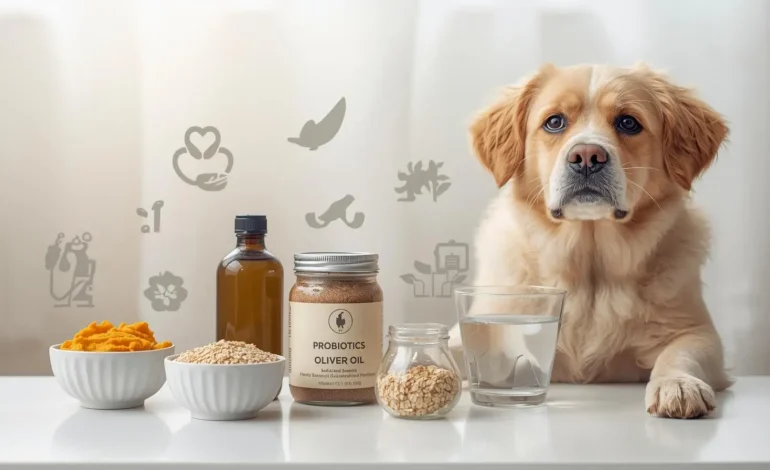

Constipation and stomach issues are common digestive problems in dogs, but that doesn’t make them any less stressful for pet owners. A constipated dog may show signs such as straining, discomfort, reduced appetite, bloating, or small, hard stools. Thankfully, many cases can be safely managed at home through natural solutions for constipation, dietary improvements, and gentle remedies that support the stomach.
This guide from PenLiberty.com explains everything you need to know — what causes constipation, how to relieve it naturally, how to soothe stomach issues, and when your dog must be taken to a veterinarian. This article reflects responsible, evidence‑based advice aligned with Google’s EEAT (Expertise, Experience, Authoritativeness, Trustworthiness) standards.
Understanding Dog Constipation & Stomach Issues
Constipation occurs when a dog struggles to pass stool or has infrequent bowel movements. It often appears alongside stomach problems like gas, bloating, nausea, or abdominal discomfort.
Dogs may experience constipation due to:
- Low-fiber diet
- Dehydration
- Lack of exercise
- Sudden food changes
- Hair ingestion (especially long‑coat breeds)
- Anal gland issues
- Stress
- Medications
- Underlying health issues such as intestinal inflammation
If left untreated, constipation can worsen into an emergency. That’s why early natural solutions for constipation are helpful — as long as they’re safe and vet‑approved.
Signs Your Dog Is Constipated
Before using any home remedies for dog constipation, identify the common symptoms:
- Hard, dry stools
- Straining with little success
- Whining or pacing near the door
- Bloating or visible discomfort
- Loss of appetite
- Lethargy
- Frequent squatting without results
If your dog shows severe pain, vomiting, or blood in stool, skip home remedies and visit a veterinarian immediately.
Causes of Dog Stomach Issues
Constipation is often linked to broader stomach issues. Dogs may develop digestive discomfort due to:
- Food intolerance or allergies
- Sensitivity to high‑fat or low‑fiber diets
- Eating foreign objects
- Bacterial imbalance in the gut
- Sudden diet changes
- Stress or anxiety
- Mild dehydration
Understanding the root cause ensures the remedies you choose are effective and long‑lasting.
Proven Natural Home Remedies for Dog Constipation
Here are gentle, natural solutions for constipation that many pet owners use successfully. These remedies are safest for mild, short‑term constipation.
1. Pumpkin Purée (Plain, Unsweetened)
Pumpkin is one of the most popular home remedies for constipated dogs. It contains high amounts of fiber and moisture that help soften stool and promote movement.
Serving size:
- Small dogs: 1–2 teaspoons
- Medium dogs: 1 tablespoon
- Large dogs: 2–4 tablespoons
Mix it into your dog’s regular food.
2. Increase Hydration
Many cases of dog constipation come from mild dehydration. Adding more moisture helps lubricate the digestive tract.
Try:
- Fresh, filtered water
- Bone broth (unsalted)
- Wet food mixed with kibble
- Ice cubes flavored with broth
3. Add Healthy Fiber Sources
Natural fiber improves stool consistency and makes digestion smoother. Safe fiber sources include:
- Boiled carrots
- Cooked green beans
- Oatmeal (unsweetened)
- Chia seeds (tiny amounts)
- Sweet potato (cooked, plain)
A gradual approach is key — adding too much fiber too quickly can worsen stomach issues.
4. Gentle Exercise
Movement stimulates digestion. Taking your dog for:
- Short walks
- Gentle playtime
- Slow stretching
helps activate natural bowel movement.
5. Olive Oil or Coconut Oil (Small Amounts)
These oils help lubricate the digestive system but must be used carefully.
Serving size:
- ½ teaspoon for small dogs
- 1 teaspoon for medium dogs
- 1–2 teaspoons for large dogs
Always introduce oils gradually to avoid an upset stomach.
6. Probiotics for Digestive Balance
Dog-friendly probiotics support gut health and reduce constipation, gas, and bloating. Choose probiotic formulas specifically made for dogs.
7. Switch to a Sensitive‑Stomach Diet
If constipation is recurring, your dog may have food intolerance or digestive sensitivity. Sensitive‑stomach formulas contain easier‑to-digest proteins, balanced fiber, and limited ingredients.
Your keywords include “cure stomach” — while no food cures all stomach issues, proper nutrition plays a major role in long-term digestive health.
Table: Quick Overview of Natural Remedies
| Remedy | Purpose | How It Helps |
|---|---|---|
| Pumpkin Purée | Adds natural fiber | Softens stool, improves digestion |
| Increased Hydration | Lubricates intestines | Prevents dry stool, improves gut movement |
| Exercise | Stimulates digestion | Supports natural bowel movements |
| Oils (Olive/Coconut) | Lubrication | Helps passing stool easily |
| Probiotics | Gut balance | Reduces bloating, gas, constipation |
Natural Remedies for Dog Stomach Issues
Just as important as relieving constipation is soothing your dog’s stomach. Below are safe, natural ways to help improve digestion.
1. Boiled Chicken & Rice
This classic bland diet helps calm upset stomachs and offers easily digestible nutrients.
2. Plain Yogurt (Dog-Safe)
Contains gut-friendly probiotics that reduce discomfort and support digestion.
3. Slippery Elm (Vet‑Approved Herb)
A natural coat-forming herb that soothes digestive irritation.
4. Transition to Wellness-Based Diets
A premium, sensitive-stomach formula supports long-term digestive comfort and prevents recurring issues.
Prevention Tips for Future Digestive Problems
- Maintain consistent meal times
- Avoid feeding table scraps
- Introduce new foods slowly
- Provide daily exercise
- Keep your dog hydrated
- Use regular grooming to prevent hair ingestion
- Use high-quality, balanced dog food
If constipation becomes frequent, it’s a sign your dog may need a long-term dietary or lifestyle adjustment.
When to See a Veterinarian
Home remedies are only for mild constipation and simple stomach issues. Seek immediate vet care if your dog experiences:
- Vomiting
- Severe abdominal pain
- Blood in stool
- No bowel movement for 48+ hours
- Swollen or hard abdomen
- Lethargy or collapse
These symptoms may indicate an obstruction or health condition requiring professional treatment.
FAQs
1. How long is constipation normal for dogs?
A dog may skip a day occasionally, but more than 48 hours requires intervention or veterinary care.
2. Are home remedies safe for all dogs?
Most natural remedies are safe, but puppies, senior dogs, and dogs with chronic illnesses should be monitored closely.
3. Can pumpkin be given daily?
Small daily amounts are fine but avoid overfeeding to prevent diarrhea.
4. Can I give my dog human laxatives?
No. Human laxatives can be dangerous for dogs.
5. How can I prevent constipation long-term?
A balanced, fiber-rich diet, hydration, and regular exercise are key preventive factors.
Final Thoughts
Natural solutions for constipation, gentle home remedies, and stomach-supportive nutrition can significantly improve a dog’s digestive health. Whether your dog has occasional constipation or recurring stomach issues, the right diet, hydration, and care routine can make a meaningful difference.
Always monitor symptoms closely and seek veterinary help when needed. With the right approach, you can support your dog’s comfort, wellbeing, and digestive resilience — naturally and safely.