




Pet Dental Care Tips – A Vet‑Approved Guide
This vet-approved Pet Dental Care guide highlights essential steps to protect your pet’s oral health, prevent dental diseases, and establish a simple, effective at-home routine for long-term daily wellness.

Introduction
Pet dental care is one of the most overlooked aspects of routine pet health, even though it plays a critical role in an animal’s overall well-being. Many pet owners mistakenly believe that bad breath or mild tartar is harmless, but dental disease affects more than 70% of adult dogs and cats. Without proper care, bacteria from the mouth can enter the bloodstream and damage vital organs, including the heart, liver, and kidneys.
This comprehensive, vet-approved guide explains everything you need to know about protecting your pet’s teeth, building an effective at-home oral care routine, and understanding professional dental treatments. By following these strategies consistently, you can prevent painful dental issues and keep your pet healthy for years.
Why Pet Dental Care Matters
A healthy mouth allows pets to eat, play, and live comfortably. When oral hygiene is ignored, bacteria accumulate and lead to inflammation, decay, infection, and long-term health complications. Dental disease doesn’t only remain in the mouth; it spreads throughout the body and increases the risk of chronic conditions.
Good dental care helps prevent:
- Gingivitis – painful gum inflammation
- Periodontal disease – deep gum infection that can cause tooth loss
- Bacterial infections that can spread to major organs
- Tooth decay and erosion
- Difficulty eating and weight loss
- Costly veterinary treatments and dental surgeries
By prioritizing dental care early, you prevent these issues before they escalate—saving both discomfort and unnecessary expenses.
Common Signs of Dental Problems in Pets
Many pets hide pain naturally, which makes early detection difficult. Recognizing the symptoms helps you intervene quickly.
- Persistent bad breath (halitosis)
- Red, inflamed, or bleeding gums
- Visible yellow or brown tartar buildup
- Dropping food or chewing on one side
- Excessive drooling
- Pawing at the mouth
- Loose or missing teeth
- Facial swelling
- Reduced appetite or reluctance to eat hard food
If you notice any of these signs, schedule a vet visit promptly.
How Often Should You Brush Your Pet’s Teeth?
Veterinarians unanimously recommend brushing your pet’s teeth daily. This is the most effective method for preventing plaque buildup and slowing tartar formation.
If daily brushing is not realistic, aim for at least 3–4 times per week. Consistency is more important than perfection. Even short brushing sessions still provide major benefits.
Essential Tools for Pet Dental Care
Using the right tools is key to safe and effective cleaning. Here are the essentials:
- Pet-safe toothpaste – Flavored options like poultry or peanut butter help pets accept brushing.
- Soft-bristled toothbrush – Gentle on gums and shaped for small mouths.
- Dental chews – Designed to reduce plaque through mechanical chewing action.
- Dental water additives – Help freshen breath and reduce bacteria.
- Enzymatic gels – Provide additional antibacterial support.
- Finger brushes – Great for beginners or small pets.
- Tartar-control diet – Prescribed for pets prone to gum disease.
Step-by-Step Guide to Brushing Your Pet’s Teeth
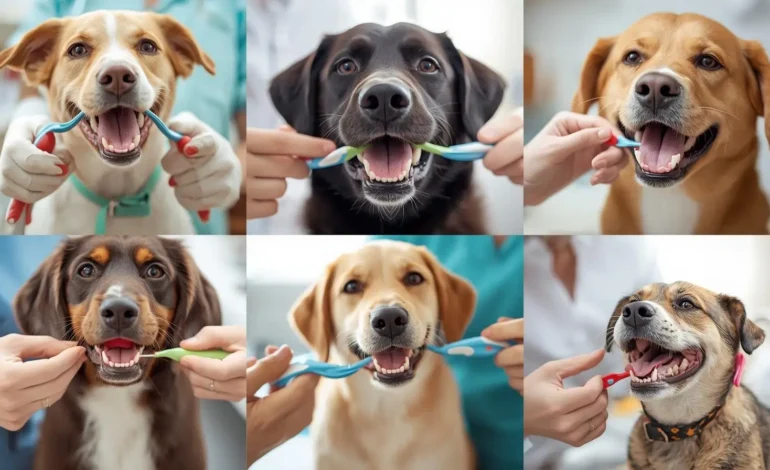
Brushing may seem challenging at first, but with patience and positive reinforcement, almost any pet can adapt.
- Introduce the toothpaste flavor – Let your pet lick a small amount from your finger.
- Touch their mouth gently – Lift the lips for a few seconds each day until they’re comfortable.
- Start slowly – Brush just a couple of teeth during the first sessions.
- Use small circular motions – Focus on the gumline where plaque develops.
- Gradually increase coverage – Aim to brush all teeth over a few weeks.
- Reward with praise or treats – Associate brushing with positive experiences.
With consistency, brushing becomes easier and more natural for both you and your pet.
Dental Treats and Chews: Do They Work?
Dental chews can significantly support oral hygiene by scraping away plaque as your pet chews. However, they are most effective when paired with regular brushing. Chews alone cannot clean under the gumline, where bacteria cause the most damage.
Choose chews that are:
- VOHC-approved (Veterinary Oral Health Council)
- Appropriate for your pet’s size
- Made from digestible, non-toxic materials
Professional Dental Cleaning: When Is It Needed?
Professional dental cleanings are essential because they address areas impossible to reach at home. During the procedure, your veterinarian removes plaque and tartar from both above and below the gumline.
Most pets benefit from a professional cleaning once a year. Pets with chronic dental issues, smaller breeds may require cleanings every 6–8 months.
Home Care vs Professional Care
| Care Type | What It Includes | Frequency | Benefits |
|---|---|---|---|
| Home Brushing | Toothbrush + pet-safe toothpaste | Daily | Controls plaque, supports gum health |
| Dental Treats/Chews | Chewing treats designed for oral care | 3–5 times weekly | Reduces light plaque buildup |
| Water Additives | Oral hygiene solutions added to water | Daily | Reduces bacteria, improves breath |
| Professional Cleaning | Deep cleaning under anesthesia | 1–2 times annually | Removes tartar below gumline, prevents disease |
Diet and Nutrition for Dental Health
Diet plays a major role in maintaining oral hygiene. Dry kibble and specially formulated dental diets help reduce plaque through chewing friction. Some diets contain enzymes that actively fight bacteria.
Avoid:
- Sticky treats
- Human food high in sugar
- Chewy snacks that cling to teeth
Ask your veterinarian whether your pet can benefit from a dental-specific diet for advanced protection.
Breeds More Prone to Dental Issues
Some breeds naturally struggle with dental health due to jaw structure, genetics, or tooth alignment.
Small Dog Breeds
- Chihuahuas
- Yorkshire Terriers
- Maltese
- Pomeranians
- Shih Tzus
Cat Breeds
- Persian
- Siamese
- Maine Coon
- Scottish Fold
These breeds may require more frequent cleanings and closer monitoring for early signs of dental disease.
Frequently Asked Questions (FAQs)
1. How often should I brush my pet’s teeth?
Daily brushing is best. If not possible, aim for 3–4 times weekly to effectively prevent plaque buildup.
2. What are the signs of dental problems in pets?
Bad breath, yellow tartar, red gums, drooling, pawing at the mouth, or difficulty chewing are clear warning signs.
3. Are dental chews enough for oral hygiene?
No. Chews help reduce plaque but cannot replace brushing or professional cleanings.
4. When does my pet need professional dental cleaning?
At least once yearly. Pets with chronic dental issues may need cleanings every 6–8 months.
5. Can I use human toothpaste for my pet?
No. Human toothpaste contains harmful ingredients like xylitol and fluoride, which are toxic to pets.
Conclusion
Maintaining your pet’s dental care is essential for a long, healthy, and pain-free life. By combining consistent brushing, a proper diet, dental chews, and regular professional cleanings, you can significantly reduce the risk of dental disease. The key is developing a routine that fits your lifestyle and sticking to it. Small daily habits create long-term protection for your beloved companion.