


Introduction
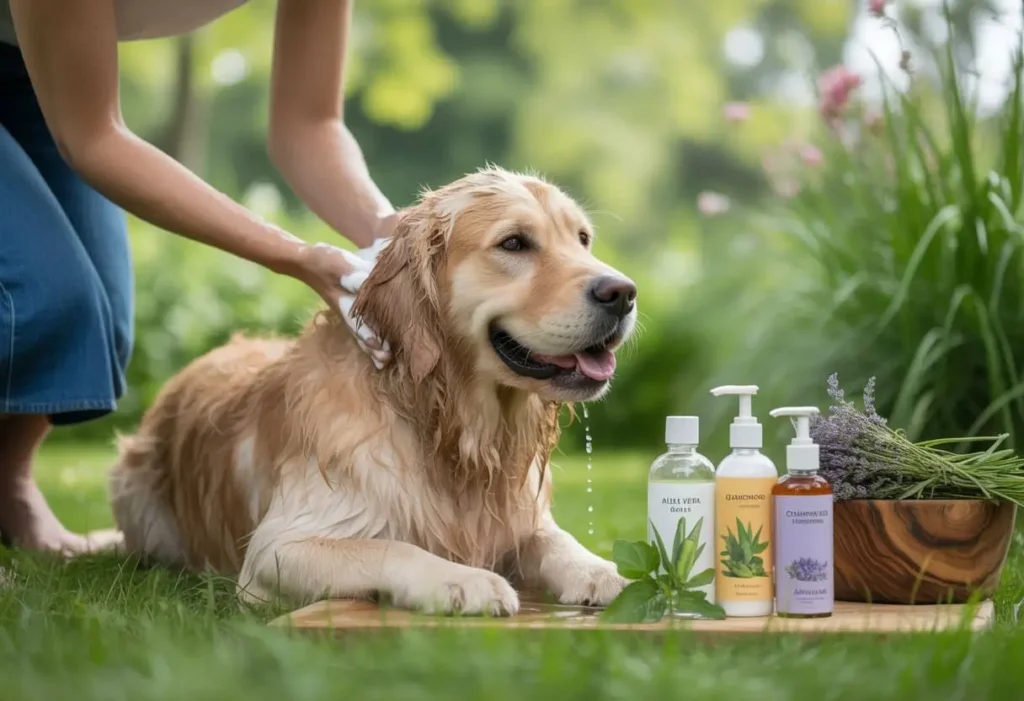
Dogs with sensitive skin require special attention, especially when it comes to grooming products like shampoos, conditioners, and waterless cleaning sprays. If your dog struggles with itchiness, dandruff, allergies, or reactions to regular shampoos, switching to a hypoallergenic dog shampoo or incorporating waterless grooming can dramatically improve their comfort and coat health.
This comprehensive guide—crafted with an EEAT-focused approach for pet owners—breaks down everything you need to know about hypoallergenic grooming routines, anti-dandruff shampoos, waterless formulas, and safe solutions for dogs with sensitive skin. Whether you’re dealing with dryness, flakes, allergies, or general irritation, you’ll find effective, vet-friendly recommendations here.
We’ll also explore dog dandruff shampoo options, ingredient safety, bathing frequency, DIY alternatives, how to read product labels, and common mistakes owners often make. By the end, you’ll know exactly which grooming products are safe for your pet and how to use them properly.
What Is Hypoallergenic Dog Shampoo?
Hypoallergenic dog shampoos are specially formulated to reduce the risk of allergic reactions. Unlike regular shampoos, they avoid harsh ingredients, fragrances, sulfates, and chemicals that can irritate your dog’s skin. They help soothe dry, itchy, inflamed, or allergy-prone skin.
Key benefits of hypoallergenic shampoos include:
- Reduced irritation and redness
- Mild, gentle cleansing without stripping natural oils
- Soothing effects for allergy-prone dogs
- Support for dermatology-recommended grooming routines
- Safe for frequent baths when necessary
These shampoos are ideal for dogs with:
- Food allergies
- Environmental allergies (pollen, dust)
- Dry or flaky skin
- Chronic itching
- Hot spots or skin infections
Common Causes of Sensitive Skin in Dogs
Before choosing the right shampoo, it’s important to understand what may be triggering your dog’s sensitivity. Skin issues can be caused by:
- Allergies – food ingredients, fragrances, grass, pollen, detergents
- Dryness – caused by overwashing or low humidity
- Parasites – fleas, mites, ticks
- Medical conditions – dermatitis, fungal infections, hypothyroidism
- Poor diet – lack of omega-3, omega-6 fats
Identifying the root cause helps you choose the right shampoo and grooming method.
How Hypoallergenic Dog Shampoo Works
Hypoallergenic shampoos use gentle ingredients to soothe the skin while cleaning the coat without causing irritation. These formulas typically include:
- Oatmeal – moisturizes and relieves itching
- Aloe vera – heals dry skin and reduces inflammation
- Coconut-based cleansers – mild surfactants that don’t strip oils
- Chamomile – calming and anti-inflammatory
- Vitamin E – supports skin repair
They avoid:
- Sulfates (SLS/SLES)
- Alcohol
- Artificial fragrances
- Artificial dyes
- Petroleum-based chemicals
Waterless Grooming: What It Is and Why It Helps
Waterless grooming, or dry shampooing, is one of the safest ways to clean sensitive-skin dogs between baths. It avoids the irritation that can come from overbathing or using water on inflamed skin.
Waterless dog shampoo benefits:
- Quick cleaning without rinsing
- Reduces odor
- Perfect for senior dogs, puppies, or anxious pets
- Prevents overwashing—which worsens dryness
- Ideal for dogs with recurring allergies
Many hypoallergenic formulas also come in waterless spray versions for added convenience.
Dog Dandruff Shampoo: How It Works
Dog dandruff shampoo targets flakes, dryness, and seborrheic dermatitis. These shampoos often contain moisturizing agents and mild antibacterial or antifungal ingredients.
Common ingredients in anti-dandruff dog shampoo include:
- Salicylic acid (gentle exfoliation)
- Colloidal oatmeal (hydration)
- Aloe extract (healing)
- Tea tree oil (mild antifungal—but must be diluted!)
- Vitamin-rich conditioners (nourishment)
Never use human dandruff shampoo like Head & Shoulders on dogs—it may contain ingredients unsafe for pets.
Comparison Table: Types of Shampoos for Sensitive-Skin Dogs
| Shampoo Type | Best For | Key Ingredients | Benefits |
|---|---|---|---|
| Hypoallergenic Dog Shampoo | Allergies, itching, mild irritation | Oatmeal, aloe, coconut cleansers | Gentle, soothing, reduces sensitivity |
| Anti-Dandruff Shampoo | Dandruff, flakes, dry skin | Salicylic acid, vitamin E | Reduces flakes, moisturizes deeply |
| Waterless Dog Shampoo | Quick cleaning, in-between baths | Aloe, natural cleansers | No rinsing needed, prevents overwashing |
| Medicated Shampoo | Veterinary skin conditions | Chlorhexidine, ketoconazole | Targets infections, prescription-level |
How Often Should You Bathe a Sensitive-Skin Dog?
Bathing too frequently can cause dryness, itching, and irritation—even with hypoallergenic products. Here are general guidelines:
- Hypoallergenic shampoo: every 2–4 weeks
- Anti-dandruff shampoo: once weekly for 2–4 weeks, then reduce
- Waterless shampoo: 1–3 times per week as needed
- Medicated shampoo: only as directed by a vet
If your dog has chronic allergies or dandruff, always consult a veterinarian before adjusting bathing frequency.
Ingredients to Avoid in Dog Shampoo
Not all “natural” shampoos are safe. Watch out for:
- Strong fragrances
- Sulfates
- Parabens
- Coal tar
- Isopropyl alcohol
- Artificial dyes
- pH-lowering acids not meant for dogs
Dogs have a more alkaline skin pH than humans, making them more sensitive to harsh cleaners.
How to Choose the Best Grooming Products for Sensitive Skin
Here are expert recommendations when selecting shampoos and grooming tools:
- Check for vet-approval or dermatologist-tested formulas.
- Select fragrance-free or lightly scented options.
- Look for labels like “hypoallergenic,” “gentle,” or “for sensitive skin.”
- Avoid alcohol-based sprays.
- Choose waterless products for in-between cleanups.
- Use conditioner for added moisture.
Can You Use Conditioner on Dogs?
Yes—conditioning is extremely beneficial for dogs with sensitive or dry skin. A gentle, hypoallergenic conditioner helps:
- Lock in moisture
- Soothe itchy skin
- Reduce matting and shedding
- Leave the coat soft and tangle-free
Never use human conditioner on dogs—it will disrupt their skin pH balance.
Frequently Asked Questions (FAQs)
1. What is the best shampoo for dogs with dandruff?
Choose an anti-dandruff dog shampoo with ingredients like salicylic acid, oatmeal, or aloe. Avoid human dandruff shampoo.
2. Is waterless shampoo safe for all dogs?
Yes, as long as it uses hypoallergenic ingredients. It’s great for quick cleaning and sensitive-skin dogs.
3. Can hypoallergenic shampoo stop itching?
It can significantly reduce itching if caused by dryness or allergies. For severe itching, consult a vet.
4. How do I know if my dog needs a hypoallergenic shampoo?
If your dog has itching, redness, flakes, bumps, or reactions to regular shampoo, they may benefit from a hypoallergenic formula.
5. How often should I bathe my sensitive-skin dog?
Every 2–4 weeks with hypoallergenic shampoo, plus waterless grooming between baths.
Conclusion
Choosing the right grooming products plays a huge role in your dog’s skin health and comfort. Hypoallergenic shampoos, waterless grooming sprays, and anti-dandruff solutions offer safe, effective ways to manage sensitive skin, flakes, and irritation. By understanding the right ingredients, bathing frequency, and grooming methods, you can keep your pet’s coat clean, soft, and irritation-free.
Always consult your vet if symptoms persist, worsen, or appear suddenly. With the right routine, your dog can enjoy healthy skin and a smooth, shiny coat year-round.